
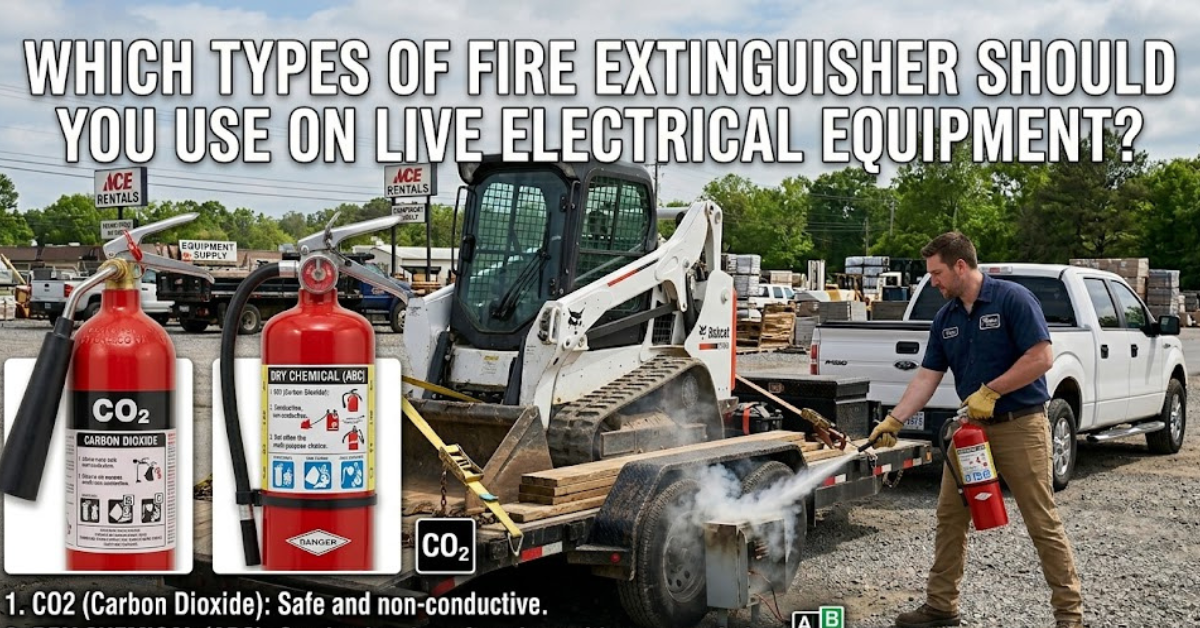
Electrical fires are one of those situations where things can go from normal to dangerous in seconds. A sparking socket, a burning appliance, or an overloaded extension board can quickly turn into a serious hazard. That’s why knowing which types of fire extinguisher should you use on live electrical equipment is not just useful—it can be life-saving.
The key challenge with electrical fires is simple: electricity and water don’t mix. Using the wrong extinguisher can make the situation worse or even put you at risk of electrocution. So let’s break it down in a clear, practical way.
Why Electrical Fires Are Different
Before jumping into extinguisher types, it helps to understand what makes electrical fires unique.
Electrical fires typically involve:
- Faulty wiring or appliances
- Overloaded circuits
- Short circuits
- Electrical equipment overheating
Unlike wood or paper fires, you’re dealing with a live electrical current, which adds an extra layer of danger.
The Main Risk
The biggest risk is conductivity. If you use water-based extinguishers, electricity can travel through the water stream and shock the user.
Which Types of Fire Extinguisher Should You Use on Live Electrical Equipment?
The safest and most recommended extinguishers for live electrical fires are:
1. CO₂ (Carbon Dioxide) Fire Extinguishers
CO₂ extinguishers are the most commonly recommended option for electrical fires.
Why CO₂ works well:
- No water or residue
- Non-conductive gas
- Smothers fire by removing oxygen
- Safe for electronics and appliances
Best used for:
- Computers and servers
- Electrical panels
- Office equipment
- Home appliances
CO₂ extinguishers are especially useful in offices and data centers because they don’t damage equipment.
2. Dry Powder Fire Extinguishers (ABC Type)
Dry powder extinguishers are another safe option for electrical fires.
How they work:
- Interrupt the chemical reaction of fire
- Create a barrier between fuel and oxygen
Advantages:
- Works on multiple fire types (A, B, C classes)
- Safe for electrical equipment up to a certain voltage rating
- Widely available
Limitations:
- Leaves a messy residue
- Can damage sensitive electronics
3. Clean Agent Extinguishers (Halon Alternatives)
Modern “clean agent” extinguishers are used in sensitive environments.
Benefits:
- No residue
- Safe for electronics
- Environmentally improved versions of older Halon systems
Common locations:
- Server rooms
- Laboratories
- Control rooms
Fire Extinguishers You Should NOT Use on Electrical Equipment
Using the wrong extinguisher can be dangerous.
Avoid these types:
Water extinguishers
Foam extinguishers (unless explicitly rated safe for electrical fires after isolation)
Wet chemical extinguishers
Why?
Because water and foam can conduct electricity, increasing the risk of shock.
Step-by-Step: How to Use a Fire Extinguisher on Electrical Fires
If you ever face a small electrical fire, follow this safe method:
1. Stay Calm and Assess the Situation
- Only attempt if the fire is small and contained
- If it spreads, evacuate immediately
2. Cut Power If Safe
- Switch off electricity if possible
- Unplug the device (only if safe to do so)
3. Use the Correct Extinguisher
- CO₂ or dry powder is ideal
- Keep a safe distance
4. Use the PASS Technique
- Pull the pin
- Aim at the base of the fire
- Squeeze the handle
- Sweep side to side
5. Monitor After Extinguishing
- Watch for re-ignition
- Call emergency services if needed
Electrical Fire Safety Tips
Prevention is always better than firefighting.
Key safety habits:
- Don’t overload sockets
- Inspect wires regularly
- Replace damaged cables
- Use certified electrical equipment
- Avoid DIY electrical repairs
Where These Extinguishers Are Commonly Required
Knowing which types of fire extinguisher should you use on live electrical equipment is especially important in:
- Offices and commercial buildings
- Schools and universities
- Hospitals
- Industrial sites
- Homes with heavy appliance use
Common Mistakes People Make
Mistake #1: Using Water
One of the most dangerous errors.
Mistake #2: Panicking and Not Switching Off Power
Cutting power reduces fire risk significantly.
Mistake #3: Standing Too Close
Heat and electrical arcs can still pose danger.
Frequently Asked Questions
Which types of fire extinguisher should you use on live electrical equipment?
CO₂ and dry powder extinguishers are the safest and most commonly recommended types.
Can you use water on an electrical fire?
No. Water conducts electricity and can cause electric shock.
Is a CO₂ extinguisher safe for home use?
Yes. It is safe for electrical fires and commonly used in homes and offices.
What class is an electrical fire?
Electrical fires are typically classified as Class C (or electrical-specific classifications depending on region).
Do dry powder extinguishers damage electronics?
Yes, they can leave residue that may damage sensitive equipment.
What should you do if the fire is too large?
Evacuate immediately and call emergency services. Do not attempt to fight large fires.
Conclusion
Understanding which types of fire extinguisher should you use on live electrical equipment is essential for both home and workplace safety. The safest options are CO₂ extinguishers and dry powder extinguishers, as they are non-conductive and effective against electrical fires.
However, the most important rule is simple: if the fire is too large or spreading, don’t try to fight it—get to safety and call for help. Being prepared, knowing your extinguisher types, and acting quickly can make all the difference in an emergency.
Stay informed, stay alert, and always prioritize safety first.