Scroll through Instagram, TikTok, or dating apps long enough and you’ll probably come across the phrase “plandid or candid.” At first glance, the two words seem similar because both describe photos that look natural and unposed. But there’s actually a major difference between them.
Understanding the plandid or candid meaning matters more than ever in today’s social-media-driven culture. Whether you’re posting selfies, building a dating profile, or simply trying to understand online slang, these terms say a lot about how people present themselves online.
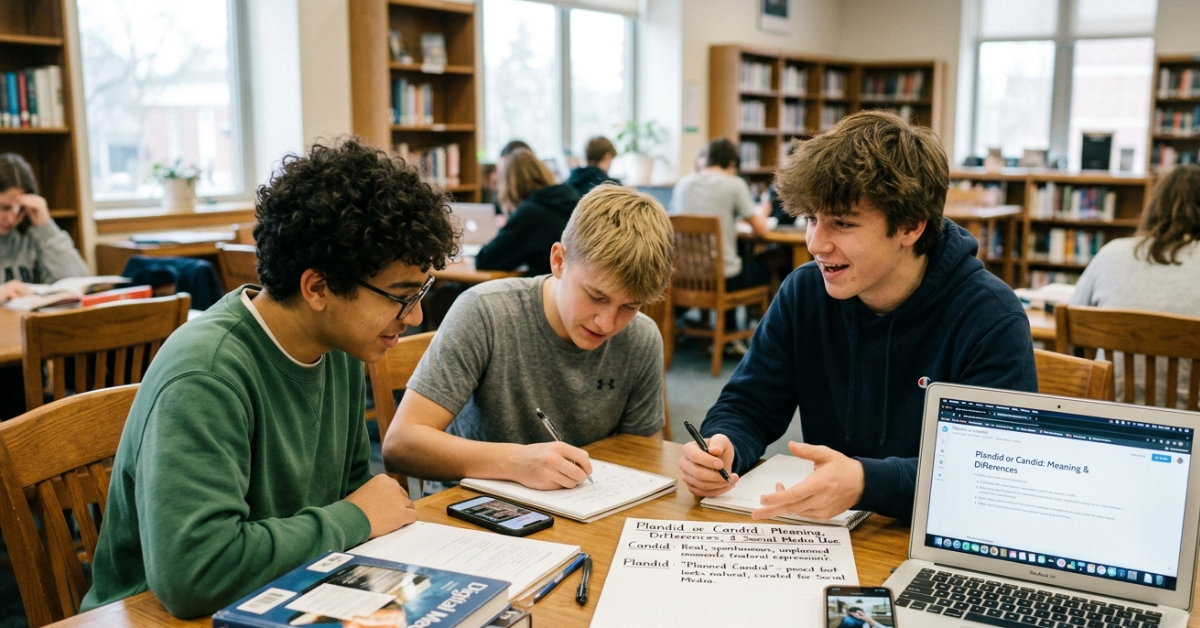
In simple terms, a candid photo is genuinely spontaneous, while a plandid photo is carefully planned to appear spontaneous. That tiny distinction has shaped photography trends, influencer culture, and even online dating behavior.
This guide breaks down everything you need to know about plandid or candid, including their definitions, differences, origins, and why the phrase keeps showing up on apps like Hinge.
What Is a Candid Photo?
A candid photo captures a real moment without obvious posing or preparation. The subject usually doesn’t appear aware of the camera, which creates an authentic and natural look.
Candid photography has existed for decades and is popular in:
- Street photography
- Wedding photography
- Family events
- Journalism
- Travel photography
The reason candid photos feel appealing is simple: they look genuine. People often associate them with honesty, emotion, and personality.
Examples of candid photos include:
- Someone laughing unexpectedly
- A friend talking during dinner
- A child playing naturally
- A quick snapshot during a conversation
The goal is authenticity rather than perfection.
What Is a Plandid Photo?
Now let’s answer the question: what is plandid or candid mean when people compare them online?
A plandid photo combines the words “planned” and “candid.” It refers to an image that is intentionally staged but designed to look natural and accidental.
In other words, the photo may appear spontaneous, but the pose, lighting, angle, and timing were carefully arranged beforehand.
Common examples include:
- Pretending to laugh while looking away from the camera
- Walking shots repeated multiple times for the “perfect casual look”
- Coffee shop photos that appear random but are heavily styled
- “Caught off guard” selfies that took several attempts
Plandid photography became especially popular with influencers and lifestyle creators because audiences tend to engage more with content that feels effortless.
Plandid or Candid Difference Explained
The biggest plandid or candid difference comes down to intention.
Candid Photos
- Unplanned
- Real-time moments
- Minimal posing
- Genuine reactions
- Often imperfect
Plandid Photos
- Planned in advance
- Styled to appear natural
- Controlled lighting and angles
- Multiple retakes
- Carefully curated
Ironically, many modern “candid” photos online are actually plandid shots.
Why Are Plandid Photos So Popular?
Social media changed how people think about photography. Platforms reward content that feels personal and relatable, even when it’s carefully produced.
That’s why plandid photos exploded in popularity.
People often prefer images that:
- Feel effortless
- Look authentic
- Avoid stiff posing
- Create a lifestyle aesthetic
A heavily posed studio portrait can sometimes feel less relatable than a relaxed-looking coffee-shop picture, even if that “relaxed” photo took 20 attempts.
Influencers, creators, and even brands use plandid photography because it creates the illusion of authenticity while still maintaining visual perfection.
Plandid or Candid Hinge Meaning
If you’ve seen the phrase on dating apps, you may wonder about the plandid or candid hinge meaning specifically.
On Hinge, users often discuss whether profile pictures feel genuine or overly staged. Someone might ask if a photo is “plandid or candid” to figure out whether the person is presenting a natural version of themselves.
In dating culture:
- Candid photos suggest authenticity and confidence
- Plandid photos may appear curated or image-conscious
That said, there’s nothing inherently wrong with plandid photos on Hinge. Most people naturally choose flattering images for dating profiles. The issue only comes when every photo feels overly manufactured.
The best profiles usually combine both:
- A few polished shots
- A few genuinely candid moments
This balance creates a more believable and approachable impression.
Plandid or Candid Meaning in Urban Dictionary Culture
The phrase became more widely recognized thanks to internet slang and online communities discussing influencer culture.
The plandid or candid meaning urban dictionary discussions usually focus on:
- Fake spontaneity
- Influencer behavior
- Social media aesthetics
- “Trying hard to look effortless”
Urban internet culture often jokes about how obviously staged some “candid” photos really are.
For example:
- Pretending to wake up naturally with perfect makeup
- Looking thoughtfully out a window during a posed photoshoot
- Acting surprised while clearly facing the camera
The humor comes from recognizing how carefully manufactured many “natural” photos actually are.
How to Tell if a Photo Is Plandid
Sometimes the difference is obvious. Other times it’s subtle.
Here are common signs a photo might be plandid:
Perfect Lighting
Natural-looking photos with flawless lighting are often planned.
Multiple Angles
If someone posts several versions of the same “random” moment, chances are it was staged.
Fashion and Styling
Extremely coordinated outfits and props can indicate planning.
Camera Awareness
Even when pretending not to notice the camera, subjects may still subtly pose for it.
Repeated Trends
Many viral poses are technically plandid because users recreate the same “casual” style intentionally.
Is Plandid Photography Bad?
Not at all.
There’s sometimes criticism around plandid content because people feel it blurs the line between authenticity and performance. But planned photography itself isn’t inherently negative.
Photography has always involved:
- Composition
- Lighting
- Timing
- Presentation
The difference today is that audiences value authenticity more than obvious perfection. As a result, people stage photos that appear unstaged.
In reality, almost everyone does this to some degree.
Which Is Better: Plandid or Candid?
There isn’t a universal winner.
Candid Photos Are Better For:
- Emotional storytelling
- Genuine memories
- Documentary photography
- Authentic moments
Plandid Photos Are Better For:
- Social media branding
- Fashion content
- Influencer marketing
- Aesthetic consistency
The best approach often combines both styles.
Many professional photographers intentionally guide subjects while still encouraging natural expressions. This creates images that feel authentic without looking overly posed.
Why the Phrase Keeps Trending
Searches for “what does plandid or candid mean” continue growing because internet culture constantly changes how people communicate visually.
Today’s audiences are highly aware of:
- Online image curation
- Influencer strategies
- Digital authenticity
- Social media performance
As a result, phrases like “plandid or candid” have become shorthand for discussing whether something feels real or carefully constructed.
The phrase also spreads quickly because it’s relatable. Almost everyone has either:
- Taken a plandid photo
- Seen one online
- Tried to look natural for a camera
How Social Media Changed Photography
Before social media, posed photography was normal and expected. Family portraits, school pictures, and studio shots were intentionally formal.
Now, internet culture rewards photos that appear:
- Casual
- Effortless
- Spontaneous
- Realistic
This shift explains why plandid photography became mainstream. People still want attractive images, but they also want those images to feel authentic.
The result is a style that carefully imitates reality.
FAQs
What does plandid or candid mean?
A candid photo is genuinely spontaneous, while a plandid photo is intentionally staged to look spontaneous.
What is plandid or candid?
The phrase compares two photography styles commonly used on social media and dating apps.
What’s plandid or candid on Hinge?
On Hinge, the phrase usually refers to whether profile photos look naturally authentic or carefully staged.
Is a plandid photo fake?
Not necessarily. A plandid photo is simply planned beforehand. It’s more curated than a true candid image.
Why do influencers use plandid photos?
Plandid photos create a polished appearance while still feeling relatable and natural to viewers.
What is the difference between plandid and candid?
The main difference is planning. Candid photos happen naturally, while plandid photos are intentionally arranged.
Is plandid a real word?
It’s considered internet slang rather than a formal dictionary word, but it’s widely used online.
Conclusion
The debate around plandid or candid reflects a larger conversation about authenticity in the digital age. While candid photos capture real moments naturally, plandid images blend strategy with spontaneity to create content that feels effortless.
Neither style is automatically better. Candid photography offers emotional honesty, while plandid photography helps people present themselves creatively and confidently online.
As social media continues evolving, the line between authentic and curated content will probably become even blurrier. But now that you understand the meaning behind plandid or candid, you’ll start noticing the difference everywhere—from Instagram feeds to dating profiles and beyond.