
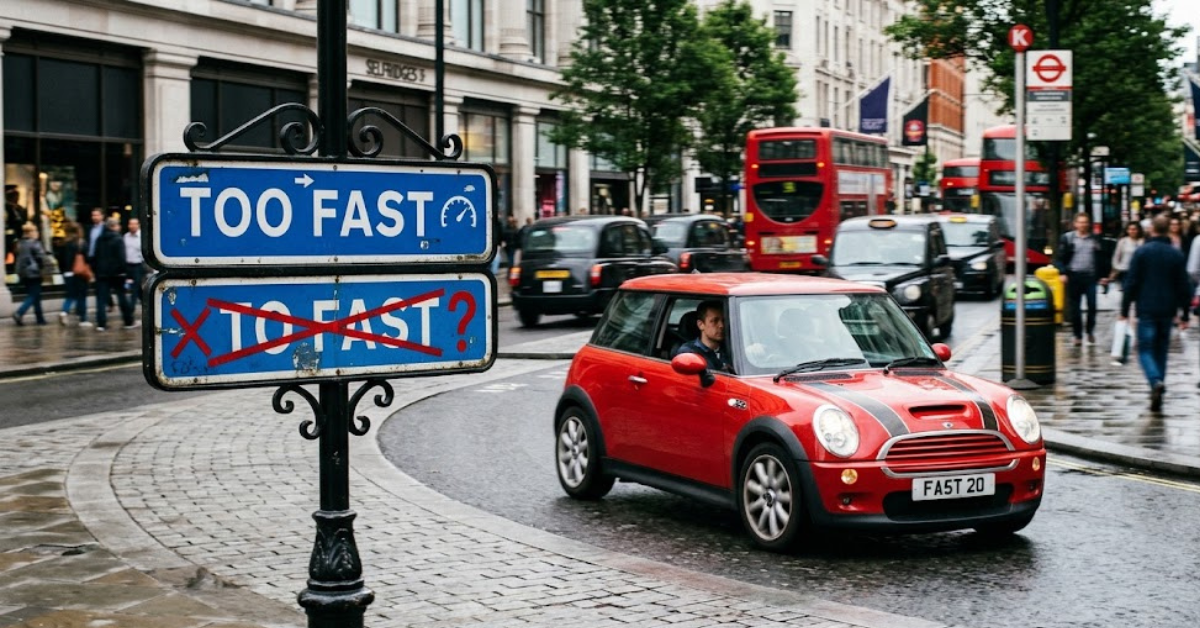
Ever caught yourself typing too fast or to fast and wondering which one is correct? You’re not alone. This tiny difference trips up even confident writers because both “to” and “too” sound exactly the same.
In this article, we’ll break down too fast or to fast, explain the grammar rules in simple terms, and show you how to use each correctly in real-life situations. By the end, you’ll never second-guess this again.
Which One Is Correct?
Let’s get straight to the answer:
- “Too fast” is correct when you mean excessively fast or more than necessary
- “To fast” is incorrect in this context
Why “Too Fast” Works
“Too” is an adverb that means:
- More than enough
- Excessively
- Also (in other contexts)
So when you say too fast, you’re saying something is faster than it should be.
Examples:
- You’re driving too fast.
- The movie ended too fast.
- He spoke too fast to understand.
Why “To Fast” Is Wrong
“To” is usually:
- A preposition (to the store)
- Part of an infinitive verb (to run, to eat)
It doesn’t describe intensity. That’s why to fast doesn’t make grammatical sense here.
Breaking It Down
If you’re still unsure whether to use too fast or to fast, try this quick trick:
Replace “too” with “very” or “excessively”
If the sentence still makes sense, “too” is correct.
Example:
- This car is too fast → This car is very fast
If the replacement doesn’t work, you might need “to” for a different purpose.
Common Mistakes
Here are some everyday mistakes people make with to fast or too fast:
1. Typing Quickly Without Thinking
Because both words sound the same, many people type “to fast” by habit.
2. Confusing Grammar Roles
“To” and “too” serve completely different functions, but their pronunciation causes confusion.
3. Overlooking Context
Writers sometimes forget to check whether they’re describing degree (which requires “too”).
Way Too Fast or Way To Fast?
Another common variation is way to fast or way too fast.
The correct phrase is:
Way too fast
“Way” acts as an intensifier, emphasizing “too.”
Examples:
- That car was way too fast.
- The music was playing way too fast.
Way to fast is incorrect because “to” cannot express intensity.
Quick Grammar Rules to Remember
To avoid mistakes with is it too fast or to fast, keep these simple rules in mind:
- Use too when meaning excessively or more than needed
- Use to for direction or verbs (not intensity)
- If you can replace it with “very,” choose too
- “Too fast” is always correct in this context
Real-Life Examples of Correct Usage
Here are a few more examples to reinforce the correct usage of too fast or to fast:
- The internet connection is too fast for the old system.
- She walked too fast for me to keep up.
- The changes happened too fast to process.
Notice how “too” always indicates excess.
Why This Mistake Matters
It might seem like a small error, but using to fast instead of too fast can:
- Make writing look unprofessional
- Confuse readers
- Hurt clarity in formal communication
In emails, essays, or business writing, these details matter more than you might think.
FAQs
Is it too fast or to fast?
The correct phrase is too fast. “Too” means excessively, while “to” does not fit grammatically here.
Is it to fast or too fast in sentences?
Always use too fast when describing something happening excessively quickly.
Can “to fast” ever be correct?
Only if “fast” is used as a verb (rare and different meaning), such as religious fasting. Otherwise, it’s incorrect in this context.
How do I remember the difference?
Think of “too” as meaning extra. If something is extra fast, then “too fast” is correct.
Is “way too fast” correct?
Yes, way too fast is correct and commonly used to emphasize intensity.
Conclusion
When it comes to too fast or to fast, the rule is simple once you understand it: “too fast” is always the correct choice when describing something excessively quick. The confusion comes from pronunciation, but the grammar rule is clear.
Next time you hesitate between is it too fast or to fast, just remember—if you mean “more than necessary,” go with “too.” It’s a small fix that makes a big difference in your writing.
If you want to sharpen your grammar further, keep practicing with similar word pairs. Mastering these details will make your writing clearer, sharper, and more professional.